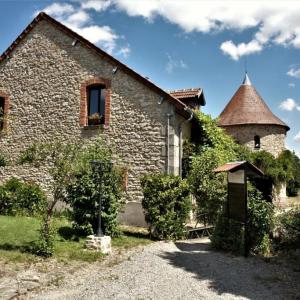
Plan interactif : 10 lieux répertoriés.
- La Souterraine
- Azérables
- Vareilles
- Saint Maurice la Souterraine
- Noth
- Saint Priest la Feuille
- Saint Léger Bridereix
- Bazelat
- Saint Germain Beaupré
- Saint Agnant de Versillat
Plan interactif : 10 lieux répertoriés.
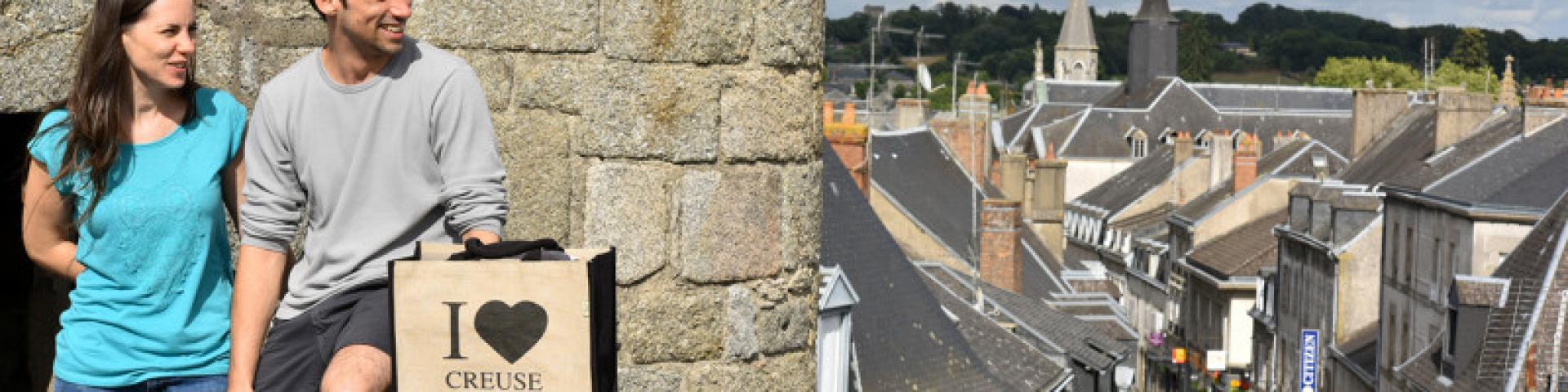
Pass the emblematic Porte Saint-Jean. You will discover the Notre-Dame church that hides a mysterious crypt. Take the time to discover the frieze of modillions that adorns its church walls. You will find this type of sculpture throughout our streets.
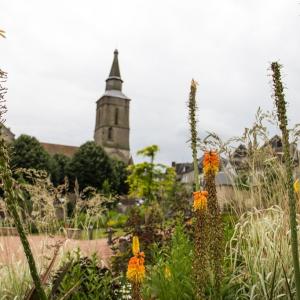
This small rural commune crossed by the Sédelle is rich in heritage: Its 12th and 13th century church Its 12th century lantern of the dead. The milestone marking the limits of the three ancient provinces of Marche, Berry and Poitou. An audio guide circuit allows you to discover washhouses, fountains and other riches for an exceptional hike.
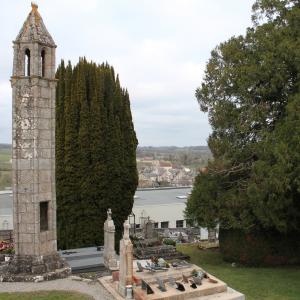
The village includes all shops and services and offers many activities.
You will discover a varied heritage.
The Mur des Brosses, geological curiosity
The tumili
The Romanesque church,
The former monastery and its park,
A washhouse
But it is the superb pond of La Chaume that makes the fame of Azérables, both with walkers and fishermen.
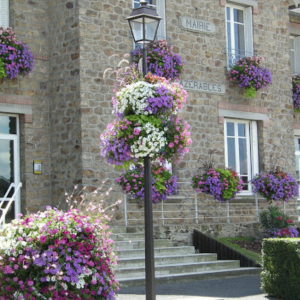
This commune benefits from a privileged geographical situation, just a stone’s throw from the intersection of the A20 and the RN145.
Many leisure facilities and essential services ensure the quality of life here.
Here were some outstanding stories of the local maquis. The woods as well as the walls are imbued with these memories.
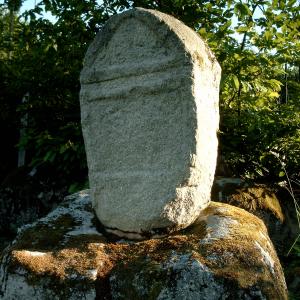
The stream of the Cazine, crossing the town, used to feed several mills.
The water thus participated in the economy of the country, but also in its beauty.
For the river dug in the granite the marvelous site of the Combes de la cazine. Place of idyllic walk, it passes by a ford of old stones dating from the Middle Ages. One thus spans the river in the manner of travelers of the past.
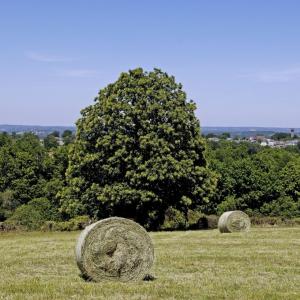
The Baracats, as the people of Noth are called, will give you the best welcome. They are used to running into hikers who walk the hike-audio guide circuit. The magnificent pond of La Cazine has facilities for fishermen, but also for ornithologists. If the châteaux de la Fôt have become a leisure hotel complex, the domain remains sumptuous. A thriving arboretum.
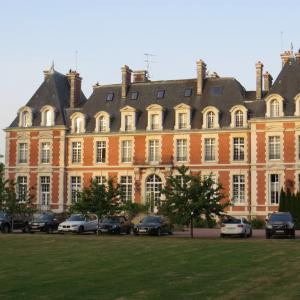
Lavoir, menhir, dolmen, castle, the commune has been able to highlight and maintain its heritage. There are many hiking trails that allow the discovery of unusual places. Committed to the eco-bourg approach, the commune does not forget its history and is proud to be an essential stopover for pilgrims to Saint Jacques.
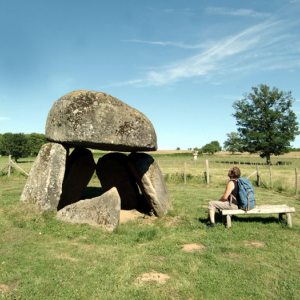
A small, essentially agricultural commune that is home to almost 300 inhabitants. Departure point of hiking circuits, the village has preserved some heritage curiosities: its small 12th century church, an old restored washhouse at the entrance of the village A “tramail”, lean-to under which cows would be shod And its reconstructed tumulus in front of the town hall.
The village is marked by the historical past of the Foucault and their castle. The church is marked by this lordship of which you will find the liter.
Accommodation, stadium, playground for young people, computer room, library, leisure facilities are numerous. Bar, restaurant, grocery store, pilgrims’ reception or show room, the Beau Pré is a real place of life and exchanges. At the Maison Braud, you will discover with delight the workshop of the painter René Esposito.
The village can boast a prestigious historical past. Its manor house and its small castles testify to this.
The church, formed by a bell tower-porch, is made up of a nave of three bays, the last of which forms a choir with a straight chevet. The vestibule of the porch whose dome on pendentives is pierced by an oculus at its key, is supported by four large pointed arches received on imposts. Carved capitals. In the south wall of the chancel are pierced two twin pools in a chamfered semi-circular layout. The bell tower-porch had bays in tiers-point, and has a floor pierced on each side of a semi-circular bay of the Limousin type, but the presence of a groove on the jambs seems to indicate a more recent period than the 12th century. The building was fortified in the 14th or 15th century.
.